Quick answer
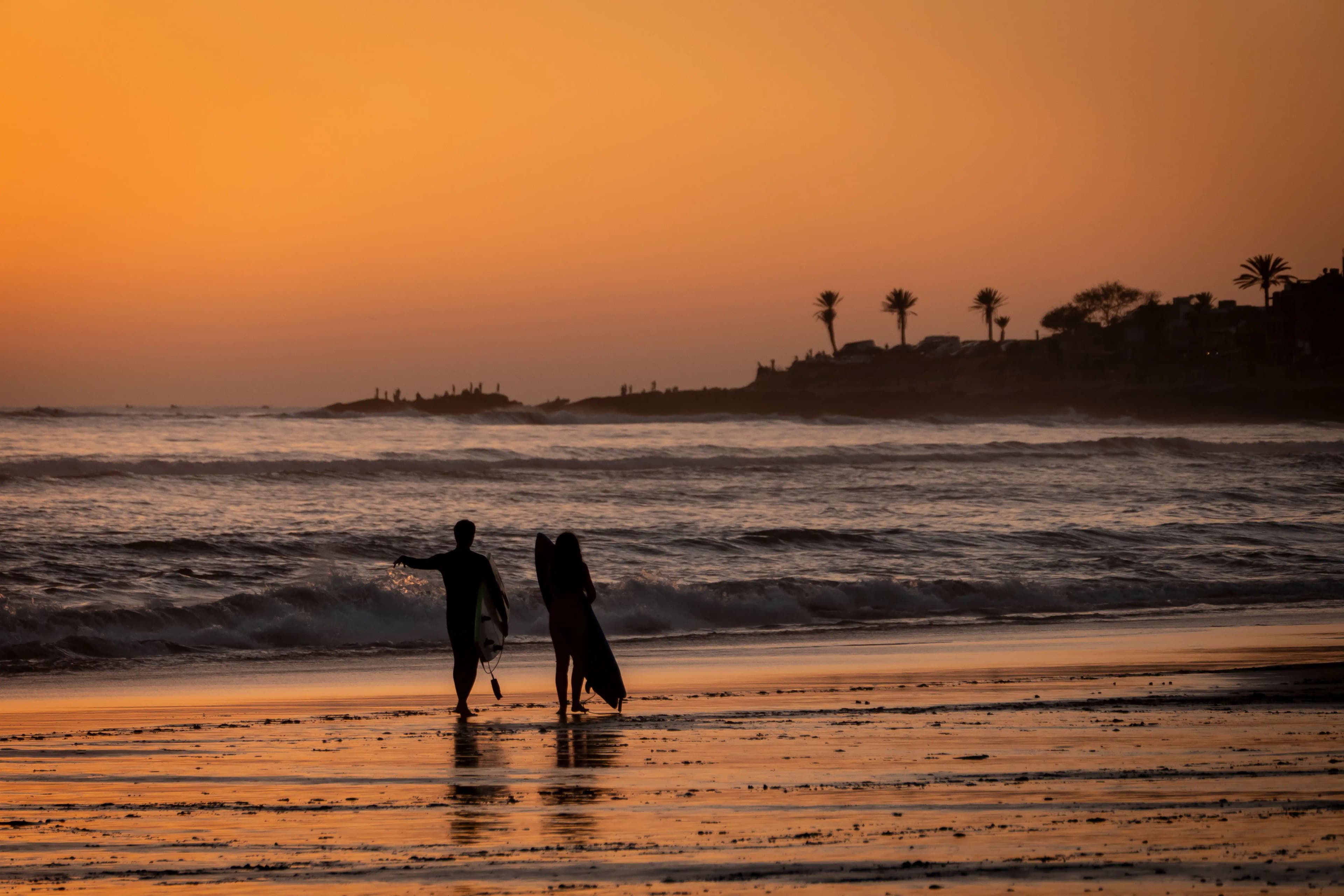
Morocco's Atlantic coast offers surf for every level, with one of the country's most concentrated surf corridors running from Aourir and Tamraght through Taghazout and north toward Imsouane. Autumn through early spring generally brings the most consistent swell, while smaller conditions are more common through late spring and summer.
Explore surf destinations: Taghazout • Tamraght • Imsouane • Aourir
Surfing in Morocco at a Glance
- Main surf region: Atlantic coast around Agadir, Taghazout and Imsouane
- Main swell season: autumn through early spring
- Beginner options: Panoramas, Devil's Rock, Crocro and Imsouane Bay in suitable conditions
- Advanced waves: Anchor Point, Killers and other exposed point and reef breaks
- Popular surf towns: Taghazout, Tamraght, Imsouane and Aourir
Where to Surf in Morocco
Morocco has surf zones along a much longer stretch of Atlantic coast, but the area around Agadir, Taghazout and Imsouane is one of the country's most established surf regions.
Each destination has a different mix of waves, atmosphere and surf-camp options, so choosing where to stay can shape the experience as much as choosing when to travel.
Taghazout
Taghazout is Morocco's best-known surf town and the centre of a coastline packed with right-hand point breaks.
Anchor Point is its most famous wave: a long, powerful right-hander running over a rocky point and best suited to confident intermediate and advanced surfers.
Other well-known waves include Hash Point, Killers, Mysteries and Panoramas. Panoramas is generally one of the more approachable options when conditions are suitable.
Taghazout suits travellers who want surfing at the centre of the trip while still having cafés, restaurants and a lively international surf-town atmosphere.
Read the Taghazout surf guide → • Compare Taghazout surf camps
Tamraght
Tamraght sits just south of Taghazout and offers a quieter base with easy access to several useful beach breaks.
Nearby Devil's Rock and Crocro are sandy-bottom breaks regularly used by surf schools when conditions suit beginners and progressing surfers.
Tamraght is particularly well suited to travellers focused on lessons, progression, surf camps and a more relaxed daily rhythm than central Taghazout.
Read the Tamraght surf guide → • Compare Tamraght surf camps
Imsouane
Imsouane is further north and has a slower, more surf-focused atmosphere than Taghazout.
Its best-known wave, The Bay, is a long and mellow right-hand point break and is often described as one of the longest rides in Morocco.
The Bay is popular with beginners, longboarders and progressing surfers, while the Cathedral side and other surrounding breaks can provide punchier options for surfers with more experience.
Imsouane is a strong choice for travellers who want to slow down, spend a lot of time in the water and organise the trip primarily around surfing.
Read the Imsouane surf guide → • Compare Imsouane surf camps
Aourir and Banana Point
Aourir, also widely known as Banana Village, lies south of Tamraght and Taghazout and has a more local, everyday Moroccan atmosphere.
Nearby Banana Point is a right-hand point break that can offer long, relatively approachable rides when conditions are suitable.
Aourir works well for travellers who prefer a quieter local base while remaining within easy reach of Tamraght and Taghazout.
Which Morocco Surf Destination Should You Choose?
| Destination | Atmosphere | Surf profile | May suit |
|---|---|---|---|
| Taghazout | Lively and social | Famous point breaks + mixed-level options | Surf + cafés + social life |
| Tamraght | Relaxed | Beginner-friendly beach-break access | Lessons and progression |
| Imsouane | Slow and surf-focused | Long mellow Bay + other nearby breaks | Long sessions and surf-first trips |
| Aourir | Local and quieter | Banana Point + easy access to nearby areas | Travellers wanting a laid-back local base |
Best Time to Surf in Morocco
Morocco can offer surf throughout the year, but conditions change considerably between the main swell season and the warmer months.
Autumn to Early Spring
This is generally the most consistent period for North Atlantic swell. Larger northwest swells activate the famous point breaks around Taghazout and provide more options for intermediate and advanced surfers.
Late Spring and Summer
Surf is often smaller during late spring and summer. Those conditions can work well for beginners and surf schools, although wave quality and size still vary from day to day.
Rather than choosing a month based only on season, beginners should look for a camp that can move between several breaks and choose the safest conditions each day.
Water Temperature and What to Wear
Morocco's Atlantic water is mild throughout the year but generally cool enough that most surfers prefer a wetsuit.
Water around the Agadir and Taghazout coast typically moves from the high teens Celsius during the cooler part of the year into the low twenties during the warmer months.
A 3/2 mm wetsuit is a common choice for much of the year. Surfers who feel the cold may prefer more warmth in winter, while lighter neoprene may be comfortable during warmer periods.
Reef boots are not essential at every spot, but surfers planning to paddle out at rocky point or reef breaks may choose to bring them.
Surfing in Morocco by Level
Beginners
Morocco can work very well for first-time surfers because surf camps have access to several softer beach and point-break options.
Panoramas around Taghazout, Devil's Rock and Crocro near Tamraght, and Imsouane Bay are commonly used for beginner or progressing surfers when conditions are suitable.
Intermediate Surfers
Intermediate surfers have one of the widest ranges of options. Depending on swell size, they can progress from beach breaks toward longer right-hand waves such as Hash Point, Banana Point or Imsouane Bay.
Advanced Surfers
Experienced surfers are drawn to Morocco's powerful winter point breaks, including Anchor Point, Killers and other exposed reef and point setups around the Taghazout coastline.
How to Plan a Morocco Surf Trip
For Taghazout, Tamraght and Aourir, the main arrival airport is Agadir Al Massira Airport (AGA).
These three destinations are relatively close to Agadir, while Imsouane is substantially farther north. Driving from Agadir airport to Imsouane is closer to two hours, depending on route and traffic.
A week is one of the most common surf-camp formats because it gives travellers several surf days and reduces the chance of relying on one particular day of conditions.
When comparing camps, look beyond the headline price and check:
- Surf level and coaching format
- Accommodation type
- Meals included
- Board and wetsuit rental
- Daily transport to surf spots
- Airport transfers
- Yoga, excursions or other activities
Find your surf trip
Compare Surf Camps Across Morocco
Compare destinations, surf levels, packages, prices and inclusions across Taghazout, Tamraght, Imsouane and Aourir.
Explore Surf Camps →Frequently Asked Questions About Surfing in Morocco
Which Morocco surf destination is best for beginners?
There is no single best destination for every beginner. Imsouane Bay can be very forgiving in suitable conditions, while Tamraght has easy access to beach breaks such as Devil's Rock and Crocro. Taghazout and Aourir also have beginner options when the conditions are appropriate.
What is the best time to surf in Morocco?
Autumn through early spring generally brings the most consistent North Atlantic swell. Late spring and summer often bring smaller surf that may be more approachable for beginners.
Do I need to be an experienced surfer?
No. Morocco has waves suitable for beginners through advanced surfers. The important thing is choosing a break that matches your ability and the day's conditions.
How far apart are Taghazout, Tamraght, Aourir and Imsouane?
Taghazout, Tamraght and Aourir form a relatively compact cluster north of Agadir. Imsouane is much farther north: the drive from Taghazout is around 70 km and typically takes a little over an hour by car.
How long should I stay for a Morocco surf trip?
Five to seven days works well for many travellers, while a longer stay gives you more flexibility around changing surf conditions and more time to progress.
Sources and Limitations
Surf conditions change with swell size, direction, tide, wind and local sand or reef conditions. The level recommendations in this guide are general planning guidance and do not guarantee that a particular break will be suitable on a given day.
Destination and surf-spot information was cross-checked against current surf forecasting resources and local surf guides. Moramara also works with surf camps and instructors operating across Taghazout, Tamraght, Imsouane and Aourir.